
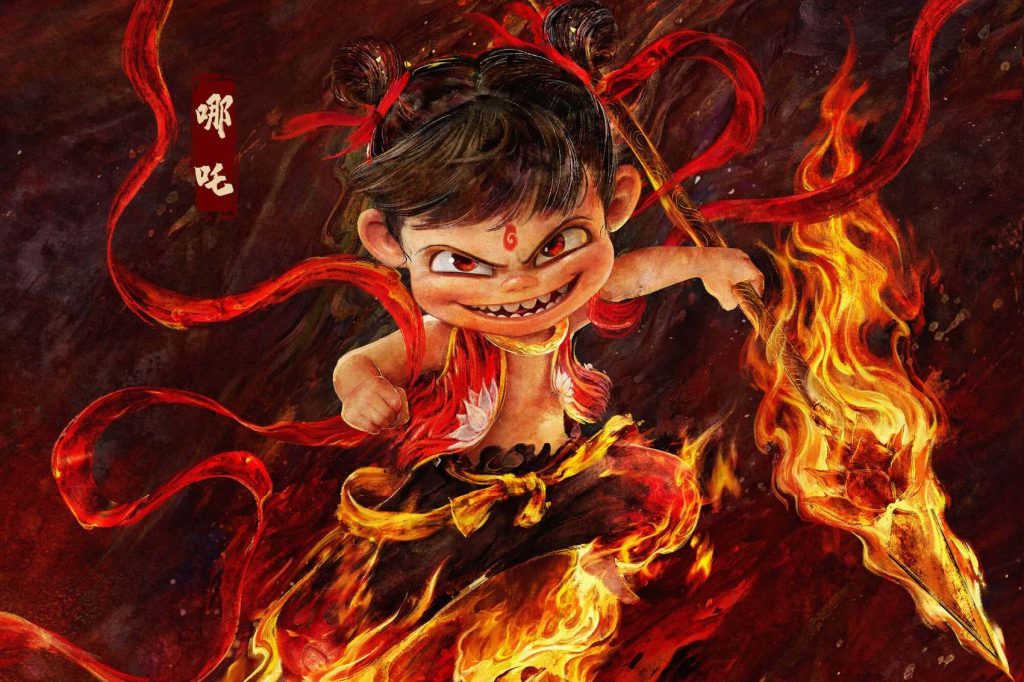
A global phenomenon, Ne Zha 2, has emerged from the heart of Chinese animation, shattering records and claiming the title of highest-grossing animated film worldwide. Building upon the success of its 2019 predecessor, Ne Zha, which topped China’s box office that year, Ne Zha 2 was released in late January amidst the competitive Spring Festival holiday period. This mega-hit animation film, produced by Beijing Enlight Media, transcends mere box office success.
Ne Zha 2 is a story of cultural resonance, where ancient lore is brought to life with cutting-edge animation. Its state-of-the-art animation, deeply rooted in Chinese mythology, merges traditional aesthetics with modern twists, reflecting universal themes of identity and self-discovery, bringing the richness of Chinese mythology to a global audience. It marks a significant milestone for Chinese cinema and sets a high bar for future animations.
Record-Breaking Triumph: A Global Box Office Sensation
The film’s market performance is nothing short of extraordinary. According to Variety, Ne Zha 2 has ascended to become the highest-grossing animated film worldwide, surpassing titans like Inside Out 2 and Avengers: Infinity War, a historic milestone for a non-Hollywood production. Its global box office total has surged past $2 billion, a feat achieved through a monumental performance in its home market, China, where it also set the record for highest-grossing single-market film.
Further cementing its dominance, Ne Zha 2 has also conquered IMAX screens, surpassing Interstellar, Avengers: Infinity War, and Dune 2 to claim the sixth spot in the all-time IMAX rankings. With its continued strong performance, predictions are that it will surpass Star Wars: The Force Awakens to become the fifth-highest grossing film of all time.
“The Chinese animated epic has made history as the highest-grossing animated film worldwide, surpassing Inside Out 2, and becoming the first non-Hollywood production to crack the global all-time top 10 box office chart.”
Variety
Myth and Modernity: The Cultural Heart of Ne Zha 2
At the core of Ne Zha 2‘s global appeal lies its profound connection to Chinese cultural heritage. The film masterfully reimagines the classic tale of Ne Zha, a figure deeply embedded in 16th-century Chinese mythology, specifically from the novel Investiture of the Gods. Ne Zha, traditionally portrayed as a rebellious and powerful deity, is reinterpreted in this sequel as a complex character grappling with his destiny. Born with inherent demonic powers, he faces the constant struggle between his innate nature and the desire to forge his own path. This internal conflict resonates deeply with audiences, reflecting universal themes of identity and self-discovery.
The film’s plot centers on Ne Zha’s perilous quest to obtain an elixir, necessary to restore the body of his uneasy ally, the dragon prince Ao Bing. This journey is not merely a physical one but also a spiritual and moral odyssey. As Ne Zha ventures through fantastical realms and encounters formidable adversaries, he uncovers a conspiracy that threatens to ignite a war between good and evil. This narrative arc, rooted in the epic tradition of Chinese mythology, provides a rich tapestry for exploring themes of loyalty, sacrifice, and redemption.

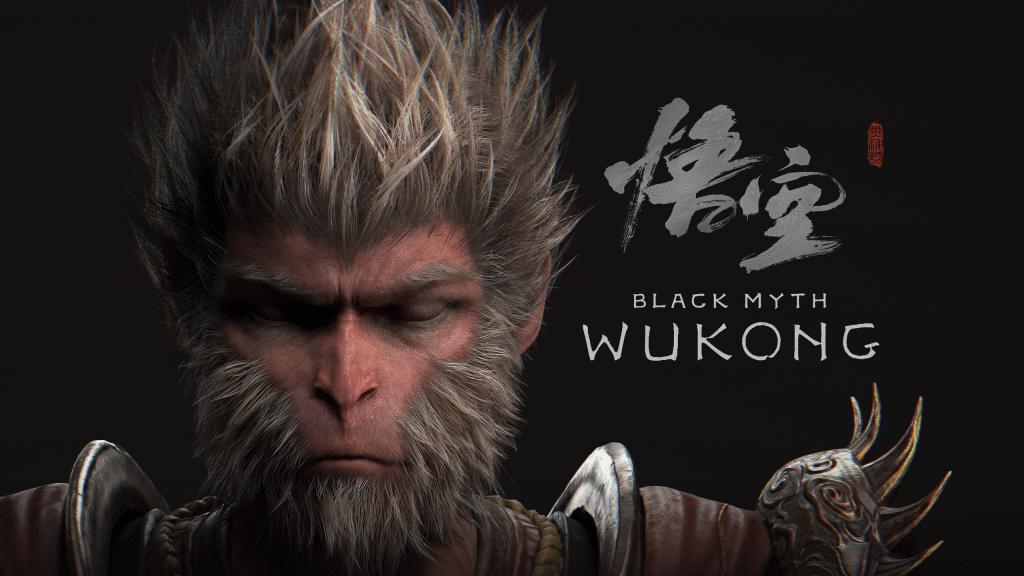
Furthermore, Ne Zha 2 cleverly weaves in elements of Chinese cosmology and philosophy, drawing parallels to other iconic figures like Wukong from Journey to the West. Echoing the success of Tencent Pictures’ award-winning game Black Myth:Wukong in making Chinese lore accessible, Ne Zha 2 taps into the same rich cultural foundation (Read more about Wukong here). The film’s depiction of dragons, celestial beings, and magical artifacts reflects the intricate belief system that has shaped Chinese culture for centuries. By grounding the story in these familiar cultural touchstones, the filmmakers create a powerful emotional connection with domestic audiences while simultaneously offering international viewers a glimpse into the richness of Chinese mythology.
From Subcontractors to Superstars: The Rise of Chinese Animation
The rise of Ne Zha 2 also reflects the remarkable evolution of Chinese animation. As Wang Nan articulated in her article “Telling Chinese stories the Chinese way: Why is Ne Zha 2 more than a blockbuster?” published on Pearls and Irritations, the film’s success is no accident. “The movie’s success might seem like a stroke of luck to some people, but it is anything but accidental. It represents the culmination of years of hard work and cultural introspection in China’s animation industry”, she notes, highlighting the deliberate effort behind its achievement.
This success stands in stark contrast to the industry’s historical challenges. Professor Zhao Guisheng of the Film-Television and Communication College of Shanghai Normal University explains, “For decades, Chinese animation struggled to carve out a distinct identity, as overseas productions, particularly from Disney and Japan, dominated the market. Since the 1990s, many Chinese studios began to serve as subcontractors for Japanese animation companies, handling in-between frames that form the backbone of traditional 2D animation. Such tasks offered little room for artistic creativity or technical innovation, hindering the development of a robust domestic industry.”
However, a pivotal shift occurred with films like Monkey King: Hero Is Back, White Snake, and Chang An, which heralded a new era of artistic confidence and a distinctive national identity. Ne Zha 2 represents the culmination of this transformative period, a powerful fusion of traditional Chinese aesthetics and cutting-edge animation technology.
“The ability to merge traditional Chinese aesthetics with state-of-the-art animation techniques has not only elevated the film’s artistic value but also opened up new possibilities for the future of Chinese animation”.
Professor Huang Danhong, Sichuan College of Media and Communications
Director Yang Yu, known as Jiaozi, emphasized that the creative team approached the project by “taking the essence of traditional values, refining them and presenting them in a way that resonates with the current era.” This dedication to cultural relevance is evident in the film’s technical prowess, boasting nearly 2,000 special effects shots and the collaborative efforts of 138 animation studios, marking a significant leap in China’s animation capabilities.
A New Era: Ne Zha 2‘s Global Footprint
Ne Zha 2‘s global impact extends beyond its box office success. Trinity CineAsia’s acquisition of distribution rights across 37 European territories signals a major step in bringing Chinese stories to a wider international audience (Variety). This is more than just entertainment; it’s a cultural exchange, a chance for the world to experience the magic of Chinese animation. As Cedric Behrel, managing director of Trinity CineAsia, aptly remarked, “Rarely do you get a film that truly defines the era, shows again the unique power of cinema to move audiences, and makes an indelible mark on culture. This is Ne Zha 2”.
Without a doubt, Ne Zha 2 represents a monumental moment for Chinese animation. It’s a film that has not only shattered records but also broken down barriers, showcasing the potent combination of rich cultural storytelling and remarkable technical prowess. The film’s success is a testament to the hard work and dedication of thousands of animators and storytellers who dared to dream big. As it continues its global run, Ne Zha 2 is solidifying its place in cinematic history and paving the way for a bright future for Chinese animation on the world stage.

 Screen Diplomat