

A Historical Overview
The 2006 signing of the Australia-China Film Co-production Treaty marked a significant milestone in the bilateral relationship between the two nations. This agreement paved the way for a new era of cinematic collaboration, enabling filmmakers from both countries to pool their resources, talent, and cultural perspectives to create compelling stories.
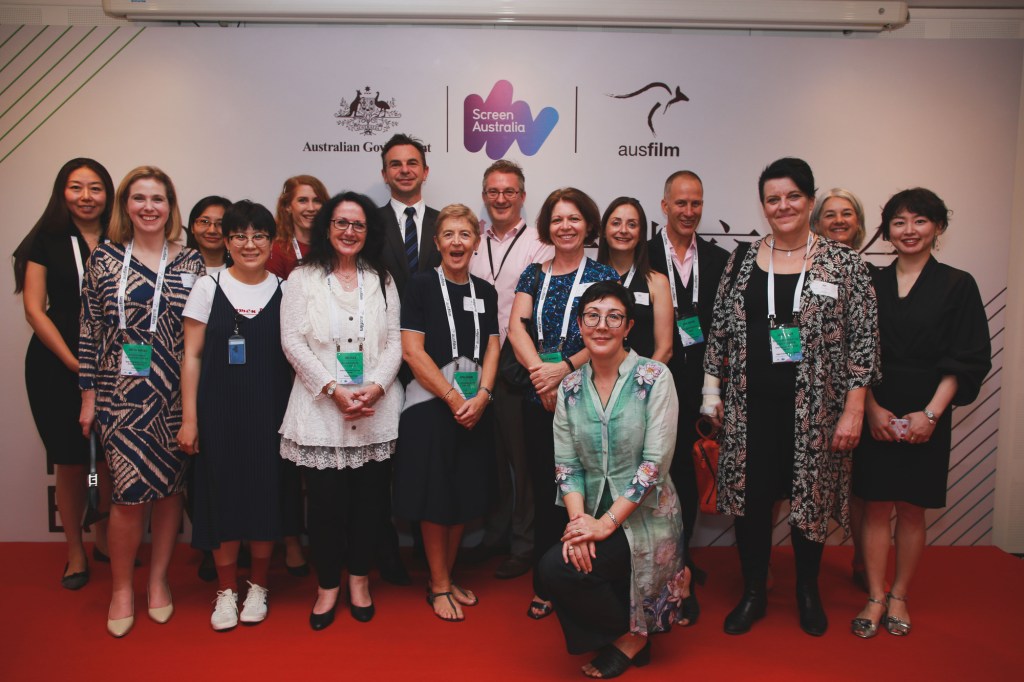
Early co-productions like 7 Guardians of the Tomb and The Whistleblower showcased the potential of such collaborations, combining Australia’s unique landscape and technical expertise with China’s vast market and rich cultural heritage. These early successes generated significant buzz and optimism within the industry.

In 2017, Jackie Chan’s Bleeding Steel marked a significant milestone in Australian-Chinese film collaboration. Filmed in Australia, alongside earlier projects like Nest, the film highlighted the growing appeal of Australia’s world-class production facilities and talented crew for Chinese filmmakers.
Ellen Eliasoph, CEO of Village Roadshow Entertainment Group Asia, emphasized the natural synergy between the two countries’ film industries. She noted that Australia’s stunning locations and skilled filmmakers offer unique opportunities for Chinese filmmakers to realize their ambitious visions. Jackie Chan himself stressed the importance of creating stories that resonate with Chinese audiences. He emphasized the need for collaboration from the early stages of development, involving Chinese writers, producers, and companies to ensure the film’s cultural authenticity.

The 2019 co-production The Whistleblower exemplifies the cost-effectiveness of Australian film production for international collaborations. Despite a reported budget of roughly $45 million, government subsidies and tax rebates significantly reduced the net cost (Sydney Morning Herald, 2019). This financial advantage is highlighted by producers like Matt Basser, who states, “You’re certainly not going to make a film of that quality for that price in China.” This aspect demonstrates how co-productions can leverage Australia’s production infrastructure and financial incentives to create high-value films for the global market.
The Impact of Geopolitical Tensions
However, the relationship between Australia and China has experienced significant strain in recent years (see detailed geopolitical timeline here). The downturn in political and trade relations has inevitably impacted cultural exchange, including film collaborations.
The once-promising partnership has faced significant hurdles, with many arts and cultural projects being put on hold or canceled altogether (also due to the impact of the pandemic). As a result, the flow of talent, capital, and ideas between the two countries has been disrupted, hindering the growth and development of the film industries on both sides.

In a positive development, the recent visit of Chinese Premier Li Qiang to Australia in June 2024 signaled a cautious step towards stabilizing the bilateral relationship. This visit marked a significant turning point, with both nations expressing a willingness to engage constructively and explore opportunities for cooperation.
Recent developments such as the resumption of the Strategic Economic Dialogue and China’s decision to include Australia in its unilateral visa-free policy further indicate a potential thaw in the relationship (see latest development here). However, underlying geopolitical tensions, tariffs wars and strategic differences continue to shape the trajectory of this evolving partnership.
China’s Rising Influence on the Global Film Industry
Despite the geopolitical challenges, China’s emergence as a global film powerhouse remains undeniable. In 2021, it surpassed both the US and Canada to become the world’s largest film market, generating a staggering $7.3 billion in box office revenue.

China’s film market continued to demonstrate resilience in 2024, with a particularly strong performance during the Spring Festival holiday. Domestic films like YOLO and Pegasus 2 dominated the box office, contributing to record-breaking revenues. By mid-year, the Chinese box office had already surpassed the 40 billion yuan ($5.5 billion) threshold, with these domestic titles occupying the top positions. This trend highlights the growing preference for domestic content and the increasing sophistication of Chinese audiences. While the overall box office for the year may have experienced a slight decline, the market remains robust, particularly during major holiday seasons.
Beyond its dominant position as the world’s largest film market, the country is increasingly exporting its cultural narratives to international audiences. The success of games like Black Myth: Wukong, backed by tech giant Tencent, showcases China’s growing ambition to shape global popular culture.
This cultural ambition is further fueled by significant investments in domestic film production, advanced technologies, and talent development. China’s film industry is no longer just a consumer of international content but a major producer and exporter.
The Impact of Streaming Platforms
China’s streaming platforms, particularly Tencent Video and iQiyi, continued to shape the country’s entertainment landscape in 2024. These platforms saw significant growth, driven by a surge in original content, exclusive licensing deals, and a growing subscriber base.

Wong Kar-wai’s highly anticipated series, Blossom Shanghai, premiered on Tencent Video during the 2024 Spring Festival holiday became the most streamed television series nationwide. The series was also a huge commercial success, attracting a significant number of advertisements per episode, including placements from brands like Rémy Martin, Estée Lauder, Pepsi, Bausch & Lomb, KFC, and Giorgio Armani.The series, a visual masterpiece, garnered critical acclaim and drew a large audience, further solidifying Tencent’s position as a leading platform for premium content.
While specific data for 2024 is still emerging, it is predicted that both Tencent and iQiyi will continue to invest heavily in original content, expand their user base, and explore innovative business models. As China’s streaming industry matures, it is likely to see increased competition, consolidation, and a focus on high-quality, niche content.
Streaming platforms have revolutionized the global film industry, and the Sino-Australian film partnership is no exception. Platforms like Netflix, Disney+, and Tencent Video have facilitated cross-border collaborations and expanded the reach of films from both countries. By investing in original content and co-productions, these platforms have opened up new opportunities for filmmakers to reach global audiences.
However, the impact of streaming platforms for co-production landscape is not without its challenges. differing regulations in countries can complicate the distribution and licensing of content. Additionally, the rise of streaming has led to increased competition for audiences and revenue, which can impact the profitability of screen projects.
Opportunities for Future Collaboration
While the current geopolitical climate presents challenges, there are still opportunities for Australia-China film collaborations. By understanding the unique strengths and weaknesses of each market, filmmakers can identify areas of mutual benefit and work together to create compelling content.
Potential Areas for Collaboration:
- Co-productions: Jointly producing films that appeal to both domestic and international audiences.
- Distribution Partnerships: Collaborating on distribution strategies to reach wider audiences in both countries.
- Talent Exchange: Facilitating the exchange of talent, such as directors, actors, and crew members.
- Technology Sharing: Sharing knowledge and expertise in areas like visual effects, animation, and post-production.
Navigating the Challenges
To successfully navigate the challenges and capitalize on the opportunities, Australian filmmakers should consider the following:
- Building Strong Relationships: Establishing strong relationships with Chinese production companies, distributors, and government agencies is crucial.
- Understanding Cultural Nuances: Understanding Chinese culture, values, and sensitivities is essential to create content that resonates with Chinese audiences.
- Adapting to the Chinese Market: Adapting to the specific requirements and regulations of the Chinese market, such as censorship guidelines and distribution channels.
- Leveraging Government Support: Taking advantage of government initiatives and funding programs that support international co-productions.
Conclusion
The future of Australia-China film collaboration is uncertain, shaped by the complex interplay of geopolitical, economic, and cultural factors. The recent geopolitical tensions between the two countries have undoubtedly cast a shadow over the industry, but opportunities for collaboration still exist.
However, China’s film industry is a powerful force, capable of withstanding pressure and continuing to grow. While the US remains a dominant player in the global film industry, China’s rapid ascent and increasing cultural influence cannot be ignored. The competition between these two superpowers will undoubtedly shape the future of the global film industry, including the trajectory of Sino-Australian film partnerships.
By addressing the challenges, seizing the opportunities, and fostering mutual understanding, Australia and China can continue to create compelling stories that captivate audiences worldwide.



 Screen Diplomat