
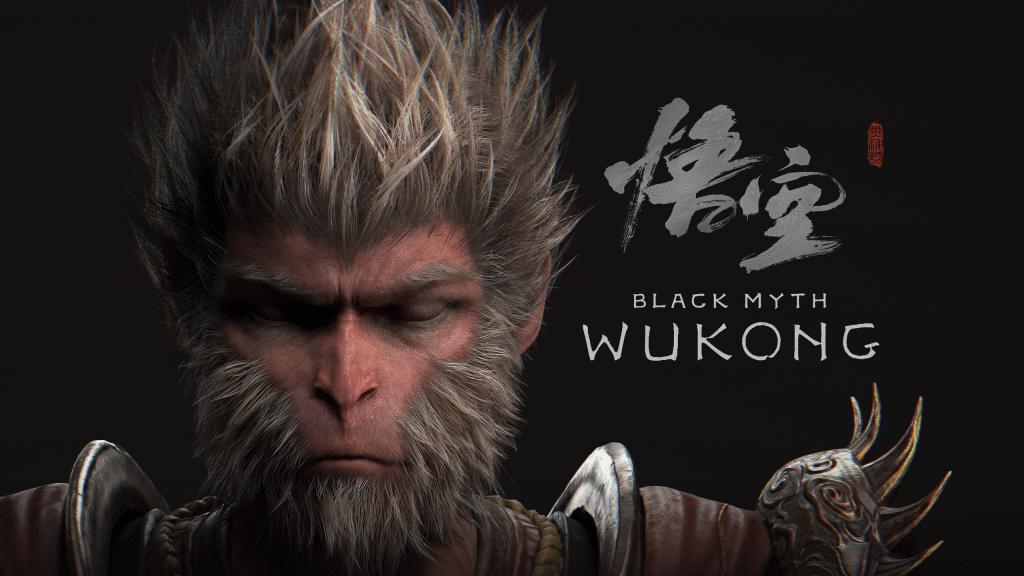
Black Myth: Wukong isn’t just a game; it’s a monkey wrench thrown into the Western gaming dominance, proving that Chinese developers can also swing the big stick.

In the realm of gaming, where Western titles often dominate the headlines, a Chinese game has managed to capture global attention and spark a cultural phenomenon. Black Myth: Wukong, a stunning action role-playing game developed by Game Science, has not only showcased the burgeoning talent within the Chinese gaming industry but has also become a symbol of the country’s growing soft power.
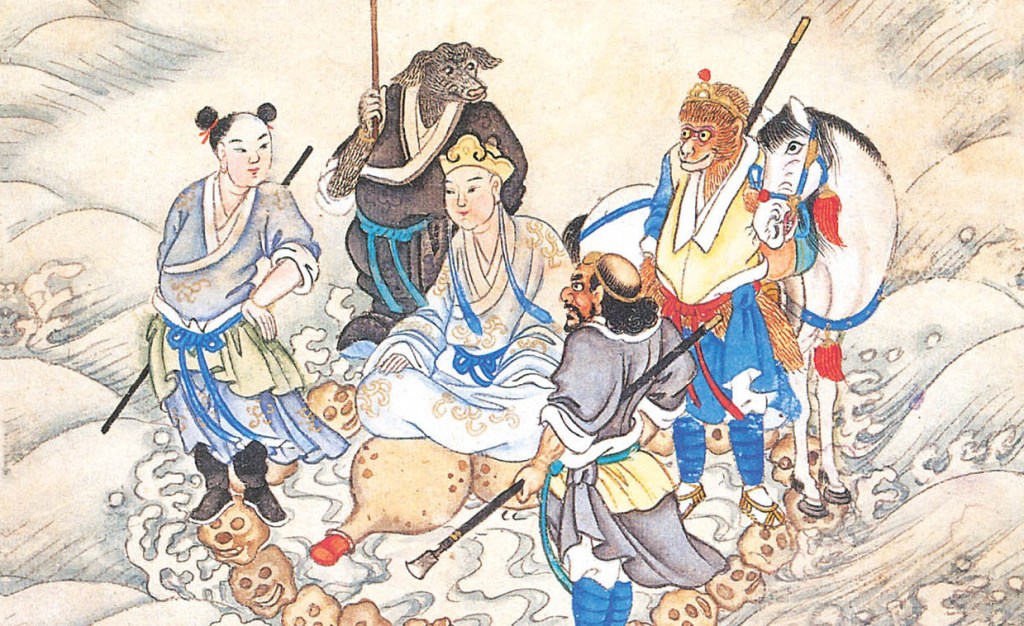
Drawing inspiration from the classic Chinese novel Journey to the West, Black Myth: Wukong follows the epic adventures of Sun Wukong, the Monkey King, as he embarks on a quest to retrieve the sacred scriptures.
Digital Game as a Cultural Bridge
The game’s stunning visuals, intricate combat mechanics, and rich storytelling have captivated audiences worldwide, demonstrating the potential of Chinese game development to rival Western counterparts. Beyond its gameplay, Black Myth: Wukong has become a cultural bridge between China and the West. The game’s portrayal of Chinese mythology and folklore has introduced millions of players to a rich and fascinating aspect of Chinese culture. As the game’s popularity has grown, so too has interest in Chinese history, literature, and philosophy.
Journey to the West
Wukong is rooted in a rich cultural tapestry, primarily derived from the classic Chinese novel “Journey to the West,” which was first published in 1592. However, the tales within it have existed for nearly a millennium prior, evolving through oral storytelling traditions and various forms of media including traveling opera, poetic tales, and short stories. At its core, “Journey to the West” revolves around themes of redemption, enlightenment, and the pursuit of spiritual wisdom. The narrative intricately weaves together elements of Buddhism, Taoism, and Chinese folklore, creating a vibrant universe populated by spiritual and magical beings—gods, demons, and mythical creatures.
The novel is imbued with rich symbolism and allegory, frequently reflecting profound philosophical and religious teachings. Despite addressing serious themes, the character of Wukong—a playful and rebellious monkey—charmingly navigates these depths with humor and wit. This duality makes him a beloved figure in Chinese culture. Over the years, “Journey to the West” has been adapted into numerous TV series and films, consistently proving to be a successful intellectual property within the Chinese cultural industry, thanks to its significance and deep connection to Chinese roots.
Government Support and Soft Power
The Chinese government has been actively supporting the development of the domestic gaming industry as part of its broader efforts to enhance its soft power and cultural influence. Black Myth: Wukong has become a prime example of this strategy, with state media praising the game’s potential to promote Chinese culture to a global audience.
The success of Black Myth: Wukong has not gone unnoticed by international gaming industry analysts. Goldman Sachs has predicted that more Chinese AAA games will enter the global market in the coming years, citing the government’s growing recognition of the industry’s potential value for exports and culture.
Digital Games Drives Semiconductor Innovation
Video games have been a driving force in semiconductor innovation. The demand for increasingly complex graphics and gameplay has pushed chipmakers to develop faster and more powerful processors and GPUs.
From the early days of the 8-bit Nintendo Entertainment System to the modern PlayStation 5, the gaming industry has consistently demanded cutting-edge hardware. The intense graphical requirements of modern games, including high resolutions, faster frame rates, and real-time rendering, have necessitated the development of advanced semiconductor technology.
The success of games like Black Myth: Wukong, which is expected to reach significant revenue figures, further underscores the industry’s influence on semiconductor innovation.
However, China’s reliance on foreign-made chips remains a challenge. The pressure to develop domestic semiconductor technology is intensifying as the country aims for technological self-sufficiency and competes in the global market.
“China’s push into the gaming industry also serves a “harder” kind of power: the drive to bolster domestic chip manufacturing in the wake of US semiconductor export restrictions aimed at hobbling Chinese AI research”. The Conversation
The US-China Chip War and its Impact on Gaming
The ongoing US-China chip war has significant implications for the global gaming industry, particularly for Chinese game developers like Game Science. The United States has imposed restrictions on the export of advanced semiconductor manufacturing equipment to China, aiming to limit the country’s ability to produce high-end chips. This could have a direct impact on the development of future Chinese games that require advanced hardware capabilities.
However, the success of Black Myth: Wukong demonstrates that Chinese developers can still create visually stunning and technically impressive games, even in the face of these challenges. By leveraging their creative skills and innovative approaches, Chinese game studios can continue to compete on the global stage, contributing to the advancement of the gaming industry as a whole.
Conclusion
Black Myth: Wukong is more than just a video game; it is a cultural phenomenon that has captured the imagination of players around the world. The game’s success has not only showcased the talent and creativity of Chinese game developers but has also served as a powerful symbol of China’s growing cultural influence on the global stage. As the Chinese gaming industry continues to evolve, it is clear that Black Myth: Wukong will be remembered as a landmark achievement that paved the way for future generations of Chinese game developers.

 Screen Diplomat